 Pin It
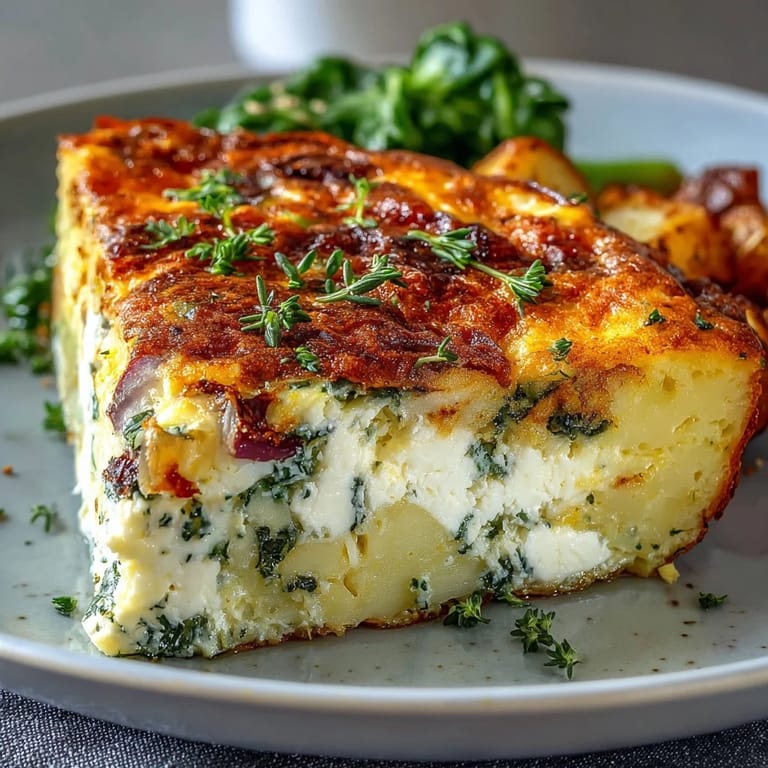
 There's something about cooking a frittata on a lazy spring morning that makes everything feel deliberate and calm. I discovered this particular version while browsing through a farmer's market where asparagus had just arrived, those tender green spears practically glowing in the sunlight. My neighbor mentioned she'd been craving something elegant but not fussy for brunch, and this came together in my head almost immediately—a way to let spring vegetables shine without overthinking it. The goat cheese adds this unexpected creamy contrast that makes people pause mid-bite and ask what makes it taste so good. It's become my go-to when I want to impress without spending half the morning in the kitchen.
Last spring I made this for my sister's surprise visit, and she walked into the kitchen just as it came out of the oven with that gorgeous golden top. She stood there for a moment breathing in the herb-filled steam before saying anything, which is basically how I knew I'd nailed it. We sat on the porch with plates and glasses of chilled rosé, and somehow this simple egg dish became the entire memory of that afternoon—not because it was complicated, but because it tasted like it mattered.
Ingredients
- Asparagus (1 bunch, about 200 g, trimmed and cut into 2 cm pieces): This is your star vegetable, so choose spears that snap when you bend them rather than bend limply—that snap means they're fresh and will stay tender-crisp rather than turning mushy in the pan.
- Red onion (1 small, finely chopped): The sharpness mellows beautifully when sautéed and adds a slight sweetness that balances the creamy cheese.
- Baby spinach (1 cup, about 30 g, roughly chopped): This wilts into almost nothing, so don't be shy about the quantity—it disappears but adds minerals and color.
- Eggs (6 large): Room temperature eggs blend more smoothly, so take them out of the fridge while you're prepping vegetables.
- Whole milk (1/4 cup, about 60 ml): This keeps the frittata tender and fluffy rather than dense; don't skip it or substitute with cream, which will make it too rich.
- Goat cheese (100 g, crumbled): The creamy tanginess is the soul of this dish—look for one that's soft enough to dollop, not chalky and dense.
- Parmesan cheese (2 tbsp grated): This adds a savory depth and helps create that light golden top.
- Fresh chives (2 tbsp, finely sliced): Add half to the egg mixture and save the rest for garnish so you get that fresh onion bite in every bite.
- Fresh dill (1 tbsp, chopped, optional): Dill and asparagus are basically made for each other, but if you don't have it, chives alone will do just fine.
- Salt (1/2 tsp) and freshly ground black pepper (1/4 tsp): Season as you go rather than all at once, tasting the egg mixture before it hits the pan.
- Red pepper flakes (pinch, optional): Just a whisper adds warmth without heat.
- Olive oil (2 tbsp) and unsalted butter (1 tbsp): The combination prevents the oil from burning while the butter adds flavor and helps create golden edges.
Tired of Takeout? 🥡
Get 10 meals you can make faster than delivery arrives. Seriously.
One email. No spam. Unsubscribe anytime.
Instructions
- Get your pan and oven ready:
- Preheat the oven to 180°C (350°F) first—you want it fully heated before the frittata goes in. While that's warming, set out your ovenproof skillet (10–11 inches is perfect) and make sure the handle is ovenproof too, which sounds obvious but I've definitely grabbed a wooden handle while wearing an oven mitt and wondered why things went sideways.
- Build your vegetable base:
- Heat olive oil over medium heat in your skillet and add the red onion, letting it soften for 2–3 minutes until it turns translucent and smells sweet. You'll hear it sizzle softly, which is exactly right—you're not looking for aggressive browning here.
- Add the asparagus and let it have a moment:
- Drop in the asparagus pieces and stir occasionally for 4–5 minutes. You want them to go from raw-green to tender but not floppy—when you pierce one with a fork it should have just a tiny bit of resistance. Once there, add the spinach and let it collapse into the pan in about 1 minute.
- Prepare your egg mixture:
- While the vegetables are cooking, whisk together the eggs and milk in a bowl until you have something homogeneous and pale. Add the salt, pepper, half the chives, and all the dill (if using), whisking until everything is incorporated and the mixture tastes properly seasoned.
- Bring it all together:
- Lower the heat to medium-low and pour the egg mixture evenly over the vegetables, letting it settle for a moment. Then distribute the crumbled goat cheese in small dollops across the surface and finish with the grated Parmesan—the cheese won't distribute perfectly, which is fine because those creamy pockets are the whole point.
- Let the edges set on the stovetop:
- Leave the skillet untouched for 4–5 minutes. You'll notice the edges starting to firm up while the center still jiggles slightly when you give the pan a gentle nudge—this is exactly when you move to the oven, not before.
- Finish in the oven:
- Transfer the skillet to the preheated oven and bake for 10–12 minutes until the center is just set and the top has turned a light golden color. It should look barely cooked in the very center; it will continue cooking slightly as it rests.
- Rest and serve:
- Remove the skillet from the oven and let it sit for 5 minutes—this firms everything up without making it tough. Scatter the remaining chives and a pinch of red pepper flakes (if using) over the top, slice into wedges, and serve warm or at room temperature.
 Pin It
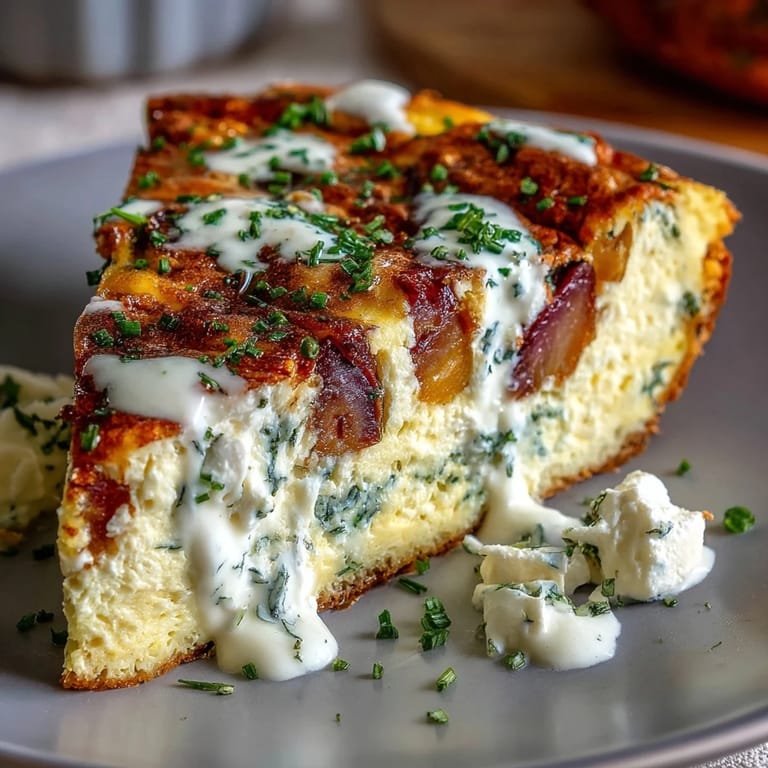
 There's a particular magic in the moment between pulling a frittata from the oven and the first slice—when the kitchen smells like butter and fresh herbs and you know you've done something right without anyone needing to tell you. My kids used to push scrambled eggs around their plates skeptically until I made this version, and suddenly eggs became the thing they asked for. It taught me that sometimes the smallest detail—a quality cheese, fresh herbs, the patience to let vegetables cook properly—is what changes something ordinary into something that people actually want to eat.
Why Spring Vegetables Matter Here
Spring asparagus is the reason this frittata works so well in April and May. The spears are tender enough that they don't need aggressive cooking, which means they keep their bright green color and that subtle sweetness that disappears once summer heat arrives. I learned this the hard way by trying to make this same recipe in August with thick asparagus from the grocery store, and it needed almost twice as long to cook and turned dull and tired-looking. The point is: honor the season and use what's actually fresh, not what's available year-round.
Room Temperature Serving
One of my favorite things about frittatas is that they're actually better at room temperature than some people expect. The flavors settle into each other, the goat cheese becomes less assertively sharp, and everything tastes more integrated somehow. I often make this the night before a brunch and just leave it on the counter covered loosely with foil—reheating it gently in a low oven for 10 minutes brings it right back to life without drying it out.
Variations and Swaps
This frittata is forgiving enough to work with whatever you have, which is partly why I keep making it. Feta works beautifully instead of goat cheese if that's what's in your fridge, or even ricotta if you want something milder. Spring peas are a stunning addition, and I've also used thin slices of leek or young zucchini without changing the cooking time much at all. The structure stays solid no matter what you trade in, which is a kind of cooking freedom that doesn't come around very often.
- Fresh herbs like tarragon or parsley can replace the dill if that's what you have on hand.
- A splash of white wine added to the egg mixture adds complexity and sophistication without making anything harder.
- Don't skip the resting period—those 5 minutes make an enormous difference in texture and make slicing clean without scrambling the eggs.
 Pin It
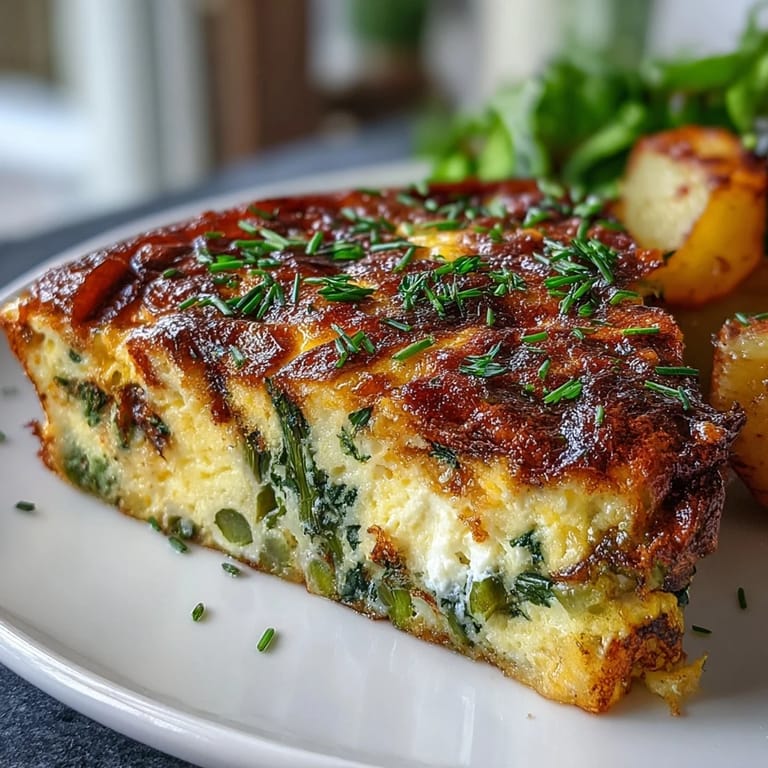
 This frittata has become my answer to the question of what to cook when someone's coming over and you want to seem like you have your life together. It tastes like care but doesn't demand perfection, which is honestly the best kind of food to have in your rotation.
Recipe FAQs
- → What is the best way to cook asparagus for this dish?
Trim and cut asparagus into pieces, then sauté in olive oil until just tender to maintain freshness and texture.
- → Can I substitute goat cheese with other cheeses?
Yes, feta or ricotta can be used as alternatives to goat cheese for a different flavor profile.
- → How do I ensure the eggs cook evenly without overcooking?
Cook the mixture on low heat until the edges start to set, then finish baking in the oven to gently cook through without drying out.
- → What herbs complement the flavors in this dish?
Fresh chives and dill provide bright, delicate flavors that enhance the asparagus and cheese.
- → What wines pair well with this spring brunch?
Crisp white wines or sparkling rosé are excellent companions, balancing the richness of the cheese and eggs.