 Pin It
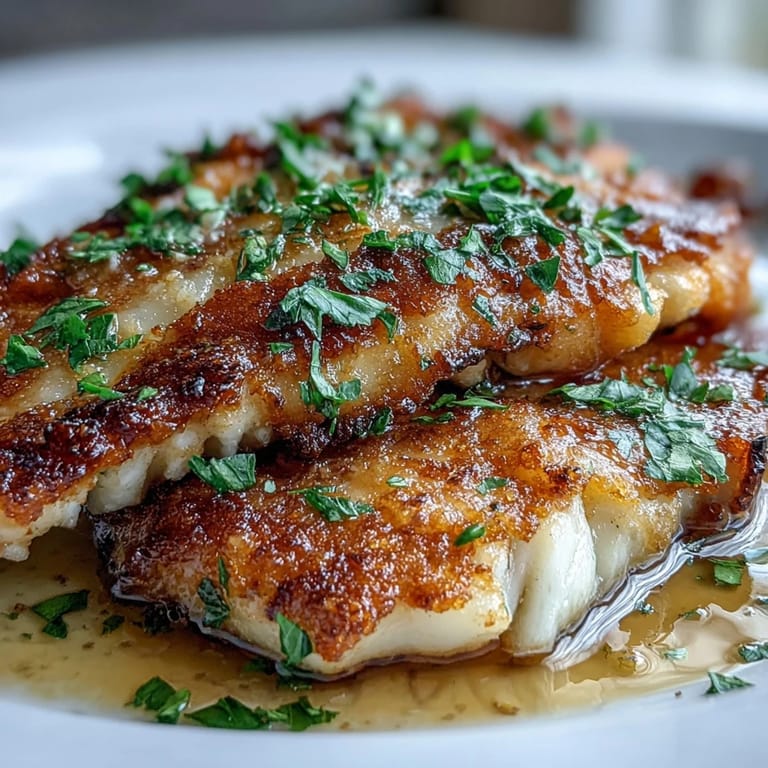
 My neighbor's kitchen smelled like nutty butter and lemon the afternoon she taught me Flounder Meunière, and I realized then why the French don't overcomplicate delicate fish. There's a quiet confidence in this dish—no fancy techniques, just the respect of letting a beautiful fillet speak for itself. She'd mastered it years ago, plating it with a casual grace that made it look effortless, though I'd later discover the real magic lives in that final moment when brown butter meets lemon juice. What seemed like restaurant-only elegance turned out to be something any home cook could pull off in twenty minutes.
I made this for my sister's birthday dinner last spring when she declared she was tired of the same pasta rotation we'd been cycling through for months. She cut into her fillet, took that first bite, and the way her eyes closed told me I'd gotten it right. We sat there with the windows open, the smell of that browned butter still hanging in the air, talking about nothing in particular while the food did all the talking. It became our thing after that—whenever she visited, she'd text ahead asking if I was making Flounder Meunière.
Ingredients
- 4 flounder fillets (about 150 g each), skin removed: Flounder's delicate flesh is why this dish works—it cooks in minutes without drying out, but you need to treat it gently and pat it completely dry before seasoning or it'll steam instead of sear.
- 1/2 teaspoon kosher salt and 1/4 teaspoon freshly ground black pepper: Kosher salt's larger grains dissolve more evenly than table salt, and fresh pepper makes a noticeable difference in a dish this simple where nothing hides behind heavy flavors.
- 1/2 cup all-purpose flour: The light dusting creates a golden crust that seals in moisture without making the fish heavy—shake off the excess so you're not leaving a flour residue in the pan.
- 3 tablespoons unsalted butter, divided and 2 tablespoons olive oil: The combination of butter and olive oil keeps the butter from burning at higher heat while still giving you that rich flavor you need for the crust.
- 4 tablespoons unsalted butter for the sauce: This is where the magic happens—use real butter and watch it carefully as it browns because it goes from golden to burnt in about thirty seconds.
- Juice of 1 lemon (about 2 tablespoons) and 2 tablespoons chopped flat-leaf parsley: The acid in the lemon cuts through the richness of the butter and brightens the whole dish, while the parsley adds color and a whisper of herbaceousness.
Tired of Takeout? 🥡
Get 10 meals you can make faster than delivery arrives. Seriously.
One email. No spam. Unsubscribe anytime.
Instructions
- Dry your fillets like you mean it:
- Pat each fillet with paper towels until there's no visible moisture left—this is what separates a proper sear from a sad steam situation. Season generously with salt and pepper on both sides and let them sit for a minute while you get your pan ready.
- Flour them lightly and shake:
- Pour flour onto a shallow plate, dredge each fillet quickly on both sides, then hold it over the plate and tap it gently so all the excess flour falls away. You want a whisper of coating, not a crust.
- Get your pan hot and foamy:
- Heat 2 tablespoons butter and the olive oil over medium-high heat and wait for the butter to foam up—this is your signal the pan is ready and hot enough to sear without sticking. If you add the fish before that foam appears, you're gambling.
- Sear with confidence and patience:
- Lay the fillets into the pan gently and let them sit for 2 to 3 minutes without moving them—this is how you get that golden crust. Flip once, cook another 2 to 3 minutes, and transfer immediately to a warm platter; the fish keeps cooking slightly even after it leaves the heat.
- Wipe and brown your butter for the sauce:
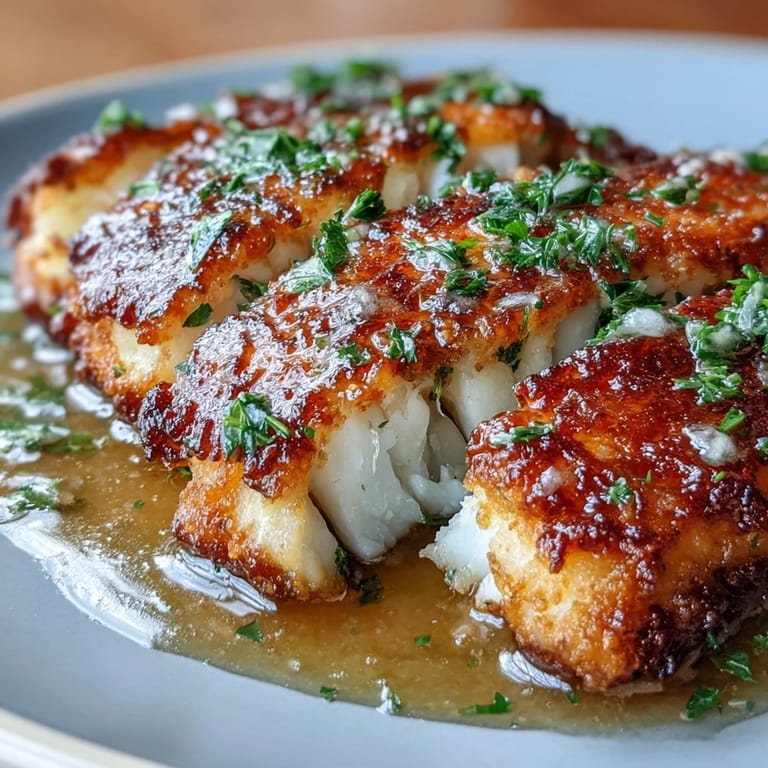
- Quickly wipe out the skillet with a paper towel, add the 4 tablespoons of butter over medium heat, and watch it like a hawk because it'll go from golden and nutty-smelling to burnt in a blink. You're aiming for a rich brown color with a nutty aroma, around 2 to 3 minutes.
- Finish and serve instantly:
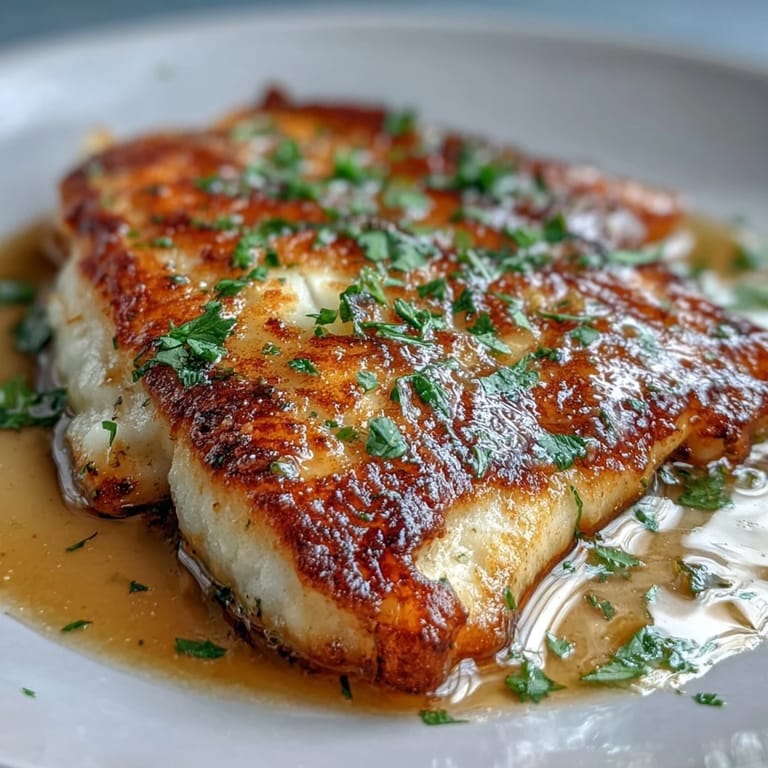
- Pull the pan off heat, stir in the lemon juice and parsley quickly (the heat will cook the parsley slightly and the acidity will stop the browning), then immediately spoon this luxurious sauce over your waiting fish. Serve with lemon wedges so people can add more brightness if they want it.
 Pin It
 What stuck with me most wasn't the technique or even how impressive it looked plated—it was that this dish proved you don't need an arsenal of skills or a long ingredient list to make something that tastes like you know what you're doing. Every time I make it now, someone at the table says it tastes like a restaurant, and I just smile because the secret is respecting the ingredient and not overthinking it.
Why Flounder Works Here
Flounder's mild, delicate flavor doesn't compete with the browned butter sauce—it lets the sauce shine while staying perfectly tender in the time it takes to sear both sides. The thin fillets also mean you can't accidentally overcook them if you're paying attention, which takes a lot of the anxiety out of cooking fish at home. This is why Flounder Meunière became a classic; it's almost impossible to mess up if you follow the simple steps and respect the timing.
Building the Perfect Brown Butter
Brown butter is technically just butter that's been heated until the milk solids brown and caramelize, but the flavor difference is extraordinary—it tastes toasty, nutty, and rich in a way that regular melted butter never achieves. The key is medium heat and constant attention because the line between golden-brown and burnt is maybe thirty seconds. Some cooks let it go a bit further than I do, almost to the edge of burnt, which gives an even deeper flavor if you're confident handling it.
Variations and Flexibility
This technique works beautifully with Dover sole, halibut, or even tilapia if flounder isn't available—any delicate white fish that cooks quickly will shine with this treatment. You can also add a splash of dry white wine to the butter before it browns for a richer, more complex sauce, or finish with a pinch of capers for briny punctuation. The parsley can be swapped for tarragon or chervil if you're feeling adventurous, though parsley's clean simplicity is hard to beat.
- If you have fresh herbs on hand like dill or chives, chop them finely and scatter them over the fish just before serving for extra freshness.
- A tiny squeeze of Dijon mustard mixed into the browned butter creates an unexpected depth that makes people ask what your secret ingredient is.
- Make sure your fish is truly at room temperature before cooking so it sears evenly instead of having cold spots that don't brown properly.
 Pin It
 This dish taught me that restaurant-quality cooking at home isn't about complicated techniques—it's about respecting your ingredients and executing simple steps with attention. Once you nail this one, you'll find yourself making it again and again because it's fast, it's foolproof, and it makes everyone at your table feel celebrated.
Recipe FAQs
- → What does meunière mean?
Meunière is French for "miller's wife," referring to the traditional cooking method of dusting fish with flour before pan-frying it in butter. The technique creates a light crust while keeping the fish tender inside.
- → Can I use other fish instead of flounder?
Absolutely. Dover sole, tilapia, trout, or any mild white fillet works beautifully. The key is using thin fillets that cook through quickly in the pan.
- → How do I know when the butter is properly browned?
Watch for the butter to foam, then turn golden brown with a nutty aroma. This takes 2-3 minutes over medium heat. Don't let it go past golden brown, or it can taste bitter.
- → What sides pair well with this dish?
Steamed green beans, roasted potatoes, or a simple green salad with vinaigrette complement the rich butter sauce. Crusty bread is perfect for sopping up any extra sauce.
- → Can I make this gluten-free?
Yes, simply substitute rice flour or a gluten-free flour blend for the all-purpose wheat flour in the dredging step. The technique and timing remain exactly the same.
- → Why use both butter and olive oil?
Butter adds rich flavor but can burn at high temperatures. Olive oil has a higher smoke point and helps stabilize the butter, preventing it from scorching while still achieving that golden-brown crust.