 Pin It
 My aunt's kitchen in Palermo smelled like roasted eggplant and torn basil leaves the first time she made this for me, and I realized then that pasta alla Norma wasn't just dinner—it was the sound of a wooden spoon scraping the bottom of a pan, the sizzle of garlic hitting hot oil, the way golden eggplant cubes absorbed every bit of that tomato sauce. She never followed a written recipe, just moved through the steps with the kind of ease that comes from making something a hundred times before. What struck me most wasn't the complexity but how simple ingredients became something unforgettable.
I made this for my roommate on a Thursday evening when neither of us had left the apartment all day, and watching her face when she tasted it reminded me why cooking matters—it's a small act of care that says more than words ever could. She went back for seconds without asking, which is the highest compliment any home cook can receive.
Ingredients
- Eggplant (1 large, about 400 g, cut into 2 cm cubes): The secret is cutting them uniform so they roast evenly; uneven pieces will burn on one side while staying soft on the other.
- Extra-virgin olive oil (3 tbsp total): Don't skimp here—this is Sicily on a plate, and good oil makes the difference between good and memorable.
- Canned whole peeled tomatoes (800 g): Crushing them by hand before adding lets them break down faster and gives the sauce better texture than using pre-crushed varieties.
- Garlic (2 cloves, finely chopped): Mince it small so it dissolves into the sauce rather than leaving chunky bits.
- Onion (1 medium, finely chopped): This builds the flavor base and caramelizes slightly as it cooks, adding sweetness that balances the acidity.
- Ricotta salata (80 g, grated or crumbled): The salty, slightly grainy texture is essential—it's not just a topping but a flavor anchor for the whole dish.
- Rigatoni or penne pasta (400 g): The ridges and hollows catch the sauce beautifully; smooth pasta leaves too much sauce on the plate.
- Fresh basil (1 small bunch): Add most of it at the end so it stays bright and aromatic rather than turning dark and muted.
- Dried chili flakes (1/2 tsp, optional): A whisper of heat lifts the entire dish without overwhelming it.
- Salt and black pepper: Taste as you go; the eggplant absorbs salt quickly, so season in layers.
Tired of Takeout? 🥡
Get 10 meals you can make faster than delivery arrives. Seriously.
One email. No spam. Unsubscribe anytime.
Instructions
- Preheat and prepare the eggplant:
- Get your oven to 220°C (430°F) and toss those eggplant cubes with 2 tablespoons of olive oil and a pinch of salt. Spread them out on a baking tray in a single layer, and they'll roast for 25 to 30 minutes—you're looking for golden edges and a tender interior.
- Build the sauce base:
- Heat the remaining tablespoon of oil in a large skillet over medium heat, add your finely chopped onion, and let it soften for about 5 minutes, stirring occasionally. Once it's translucent and fragrant, add the garlic and chili flakes (if using) and cook for just a minute until the smell hits you—that's your cue that everything's waking up.
- Add the tomatoes and simmer:
- Crush your canned tomatoes by hand or with a wooden spoon to break them into smaller pieces, then pour them into the skillet along with all the juices. Season with salt and pepper, and let everything bubble gently uncovered for 15 to 20 minutes, stirring occasionally, until the sauce thickens and deepens in color.
- Cook the pasta:
- Meanwhile, get a large pot of salted water boiling—it should taste like the sea. Cook your pasta according to the package instructions until it's al dente, meaning it still has a little resistance when you bite it, not soft all the way through. Before you drain it, scoop out about 1/2 cup of that starchy pasta water and set it aside.
- Bring it all together:
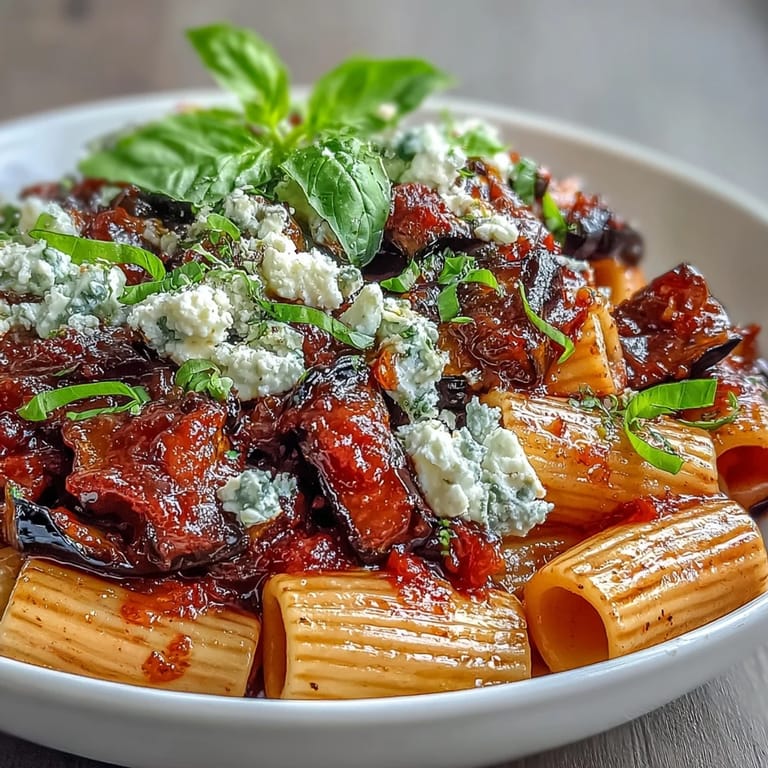
- Add the roasted eggplant and most of the fresh basil to the tomato sauce, give it a good stir, and let it bubble for another 2 minutes so the flavors marry. Toss the drained pasta directly into the sauce, adding splashes of that reserved pasta water as needed until everything comes together in a silky, cohesive sauce.
- Finish and serve:
- Divide the pasta among bowls and scatter the ricotta salata generously over the top while it's still steaming, then finish with a few fresh basil leaves and a drizzle of olive oil if you're feeling it.
 Pin It
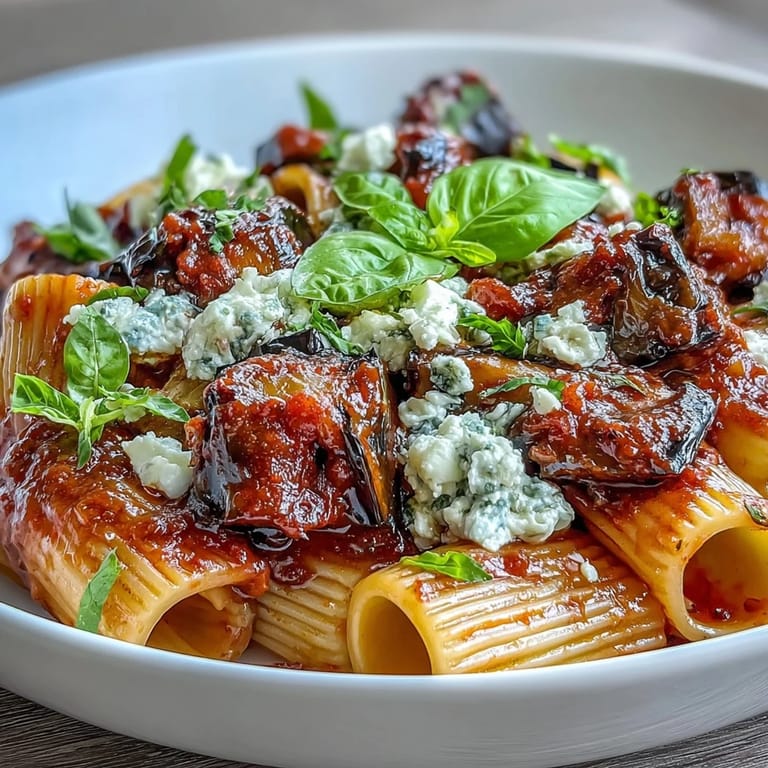
 There's a moment in cooking where all the separate components stop being ingredients and become something unified—for this dish, it happens when you toss the hot pasta with the eggplant-tomato sauce, and suddenly the whole thing comes alive on the plate. That's the moment I understood why my aunt never bothered with a recipe.
Why the Eggplant Matters
Roasting is the move here, not frying or boiling—when eggplant hits a hot oven, it concentrates its flavors and becomes almost meaty, nothing like the soft, oil-logged versions you might have had before. I used to think I didn't like eggplant until I realized I'd just never had it roasted properly, and that changed everything. The cubes caramelize at the edges while staying creamy inside, which is exactly the texture you want.
About the Ricotta Salata
This isn't a garnish you can skip—it's essential to the whole experience. The saltiness and slight graininess cut through the richness of the sauce like a well-timed laugh in a conversation, and it adds a textural contrast that keeps every bite interesting. If you can't find ricotta salata, Pecorino Romano works beautifully as a stand-in, though it's sharper and more assertive. I learned this when a friend substituted feta once and while it was delicious in its own right, it wasn't quite the same story.
Making It Your Own
The beauty of this dish is its flexibility—you can adjust the heat level with more or less chili, vary the vegetables depending on what's in season, or even add a handful of black olives if that's your style. Some cooks add a splash of red wine to deepen the sauce, others finish with a pinch of sugar to balance acidity. The core structure stays solid no matter what you do, which is the mark of a truly great recipe.
- If eggplant isn't your thing, try roasting zucchini or bell peppers instead, though the dish loses some of its signature richness.
- Make extra sauce and freeze it—it's perfect for other pasta shapes or even spooned over polenta on a cold evening.
- Taste the sauce before adding the pasta and adjust seasoning then, when you can actually taste what you're working with.
 Pin It
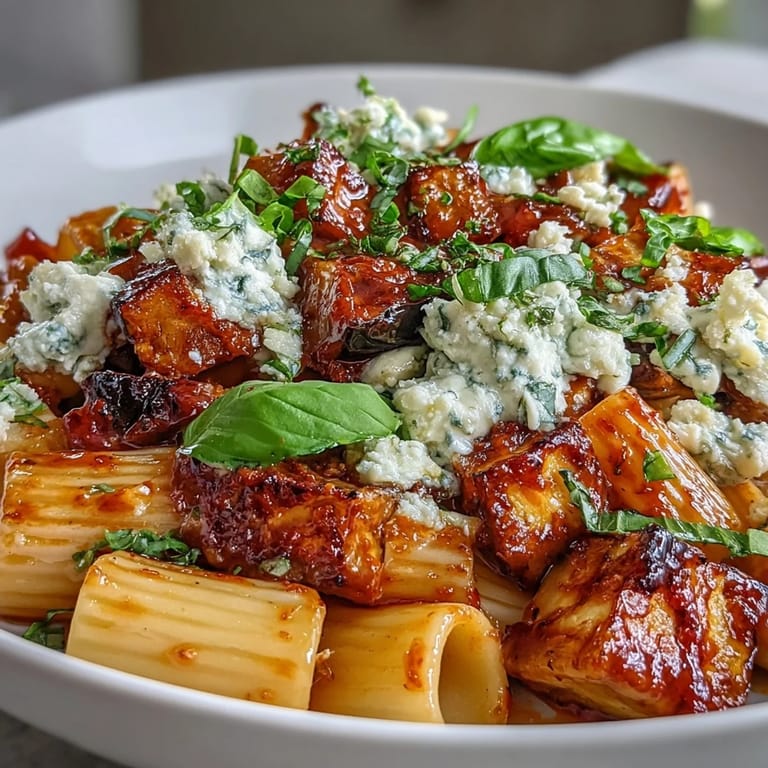
 This is the kind of dish that reminds you why cooking at home matters, not because it's complicated or shows off, but because it turns simple things into something that nourishes both body and spirit. Make it for yourself, make it for people you love, and taste what happens when ingredients stop being separate and become a story.
Recipe FAQs
- → What does Pasta Alla Norma mean?
Pasta Alla Norma translates to 'Pasta in the style of Norma' and honors the opera Norma by Sicilian composer Vincenzo Bellini. Legend says a chef was so moved by the opera that he created this dish to match its perfection. The combination represents the culinary soul of Catania, Sicily.
- → Can I make this dish ahead of time?
The sauce and roasted eggplant can be prepared up to 2 days in advance and stored separately in the refrigerator. Reheat gently before tossing with freshly cooked pasta. For best results, add the basil and ricotta salata just before serving to maintain their fresh flavors and textures.
- → What's the best pasta shape for Alla Norma?
Rigatoni or penne are traditional choices because their tubular shapes and ridges capture the thick tomato sauce and small eggplant pieces perfectly. However, fusilli, cavatappi, or even spaghetti work well. Choose pasta with enough surface area to hold the chunky vegetable-rich sauce.
- → Do I need to salt the eggplant before cooking?
Salting eggplant before cooking draws out bitter compounds and excess moisture, which helps it absorb less oil during roasting. For this dish, it's optional since the eggplant is roasted rather than fried. If your eggplant seems large or particularly bitter, sprinkle with salt and let sit 30 minutes before patting dry and roasting.
- → Can I substitute the ricotta salata?
Pecorino Romano makes an excellent substitute with similar salty tanginess. Crumbled feta works in a pinch, though it's creamier and milder. For a vegan version, try nutritional yeast or omit cheese entirely—the dish remains delicious thanks to the robust eggplant and tomato flavors.
- → How do I prevent the pasta from becoming dry?
Always reserve about 1/2 cup of starchy pasta water before draining. Add this water gradually while tossing the pasta with the sauce—it creates an emulsion that coats each piece beautifully. The sauce should look glossy and cling to the pasta, not sit loosely at the bottom of the bowl.