 Pin It
 My neighbor handed me a still-warm crab cake from a seafood shack on the wharf and said, 'This is what summer tastes like.' I bit into it and understood instantly—the way the crust crackled, how the crab meat stayed tender inside, that moment when mustard and butter hit your tongue all at once. I spent the next week chasing that feeling in my own kitchen, learning that the secret isn't fancy technique but respecting the ingredient and knowing when to stop stirring.
I made these for my parents the summer they were thinking about moving away, and my mom went quiet after the first bite. Not sad quiet—grateful quiet. She asked for the recipe that night, and now whenever I make them, I think about how food has a way of holding people in place, at least for a meal.
Ingredients
- Lump crab meat (450g): The star ingredient—pick it over gently to catch any shell fragments, and use the freshest you can source, even if it costs more.
- Large egg: Just enough to bind without making the mixture taste eggy or dense.
- Mayonnaise (60g for the cakes): Creates moisture and richness; don't skip it or substitute with anything else.
- Dijon mustard (1½ tsp): Adds sharpness that wakes up the sweet, delicate crab.
- Worcestershire sauce (1 tsp): A splash of umami depth, non-negotiable for real crab cake flavor.
- Old Bay seasoning (1 tsp): The classic choice because it was built for seafood, though any good seafood blend works.
- Fresh lemon juice (1 Tbsp): Brightness that cuts through richness; bottled lemon won't give you the same pop.
- Fresh parsley (2 Tbsp): A whisper of herbal freshness that reminds you you're eating the ocean.
- Spring onions (2), finely sliced: A gentle onion bite without overpowering the crab.
- Panko breadcrumbs (60g): Creates the golden crust; regular breadcrumbs will compact and make them heavy.
- Salt and black pepper: Taste as you go—the crab meat already has its own character.
- Butter and neutral oil (2 Tbsp each): Butter for flavor, oil for a higher smoke point so nothing burns.
- Mayonnaise for sauce (120g): A creamy base that carries all the other flavors smoothly.
- Dijon mustard for sauce (1 Tbsp): Tangier and more assertive than in the cakes themselves.
- Lemon juice for sauce (1 Tbsp): Keeps it bright and cuts through the richness.
- Hot sauce (1 tsp, optional): A hidden kick that adds complexity without making it spicy.
- Garlic clove (1 small): Minced fine so it blends in rather than announcing itself.
Tired of Takeout? 🥡
Get 10 meals you can make faster than delivery arrives. Seriously.
One email. No spam. Unsubscribe anytime.
Instructions
- Gather and prepare:
- Pick through your crab meat carefully, feeling with your fingers for any shell fragments that can ruin a bite. Have all your other ingredients measured and ready before you start mixing.
- Combine the binding ingredients:
- In a large bowl, whisk together the egg, mayonnaise, mustard, Worcestershire, Old Bay, lemon juice, parsley, and spring onions. This is your base—everything else adheres to it.
- Fold in the crab:
- Add the crab meat gently, stirring with a light hand just until everything is moistened and combined. The more you stir, the more you break up those beautiful lumps of meat that make crab cakes special.
- Add the crunch:
- Sprinkle in the panko and fold it in carefully. Season with a pinch of salt and pepper, but remember the Worcestershire and Old Bay are already salty.
- Shape and chill:
- Divide the mixture into 8 roughly equal portions and gently pack each one into a patty about 6 cm across. Lay them on a plate, cover with plastic wrap, and refrigerate for at least 15 minutes—this helps them hold together when they hit the hot skillet.
- Make the sauce:
- While the cakes chill, whisk together the mayonnaise, mustard, lemon juice, hot sauce if you're using it, and minced garlic. Taste it and adjust salt and pepper. This is your moment to taste and tweak.
- Heat your cooking fat:
- Put a large nonstick skillet over medium heat and add the butter and oil. Wait until the butter foams and the oil shimmers slightly—you'll know it's ready when the kitchen smells warm and inviting.
- Fry the first batch:
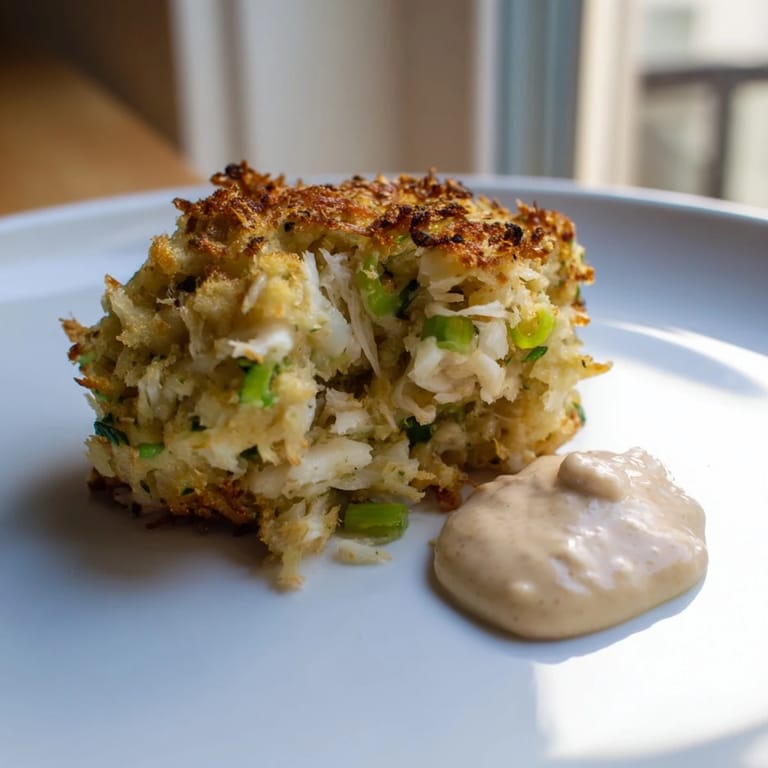
- Carefully lay half the crab cakes into the pan, leaving a little space between them so they can brown without steaming. Resist the urge to move them; let them sit for 3 to 4 minutes until the bottom turns a deep golden brown.
- Flip and finish:
- Using a thin spatula, slide underneath each cake and flip it gently. Cook the other side for another 3 to 4 minutes until it's also golden and the center feels firm when you press it lightly.
- Drain and rest:
- Transfer the finished cakes to a plate lined with paper towels to soak up any excess oil. Repeat with the remaining cakes, adding a little more butter and oil to the pan if needed.
- Serve:
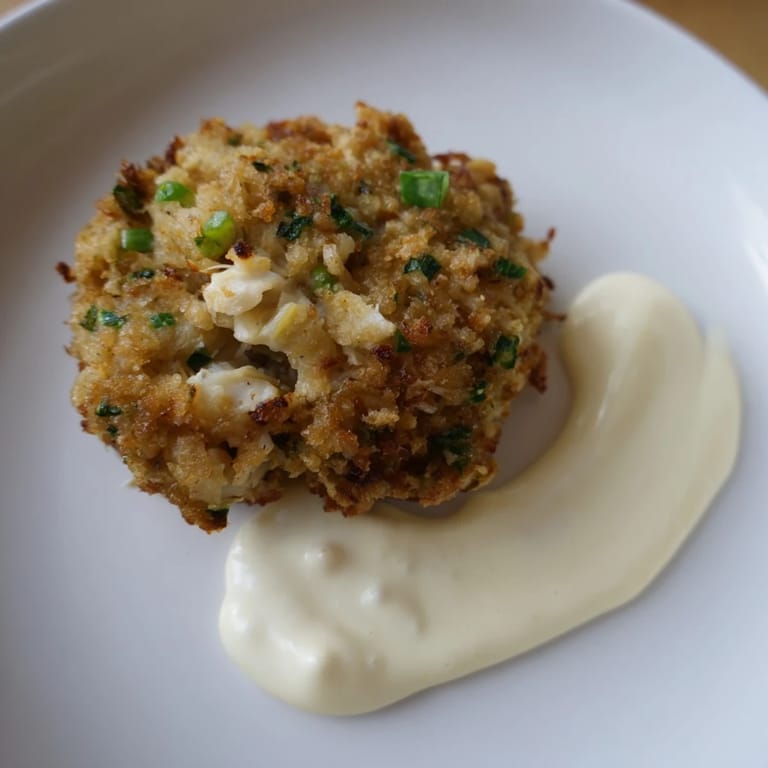
- Arrange the warm crab cakes on a plate, spoon a dollop of sauce alongside, and offer lemon wedges for squeezing. Eat them while they're still warm and the outside is still crispy.
 Pin It
 I once served these to a date who said they didn't usually like seafood, and halfway through, they stopped talking and just ate. Afterward, they admitted they'd never had real crab before, only the imitation kind from chain restaurants. That's when I realized these aren't fancy—they're just honest, and sometimes honesty is enough to change someone's mind.
Why Fresh Crab Matters
The quality of your crab meat determines everything. Fresh lump crab from a good fishmonger tastes sweet and briny, barely needing anything but seasoning and a little binder. Canned crab works in a pinch, but it's often pasty and sometimes has a metallic undertone. If you can't find fresh, ask your fishmonger if they have frozen crab meat that's been thawed; it's usually better than canned. In summer months, many places get weekly deliveries of live crabs, and that's the moment to make these.
The Science of the Crust
Panko breadcrumbs create those little air pockets that turn golden and crispy when they hit hot fat. Regular breadcrumbs compress and absorb oil, making the patties greasy and heavy. The combination of butter and neutral oil is intentional: butter adds flavor but would burn on its own at this temperature, while oil has a higher smoke point but no flavor. Together they hit the sweet spot between taste and chemistry.
Serving and Pairing
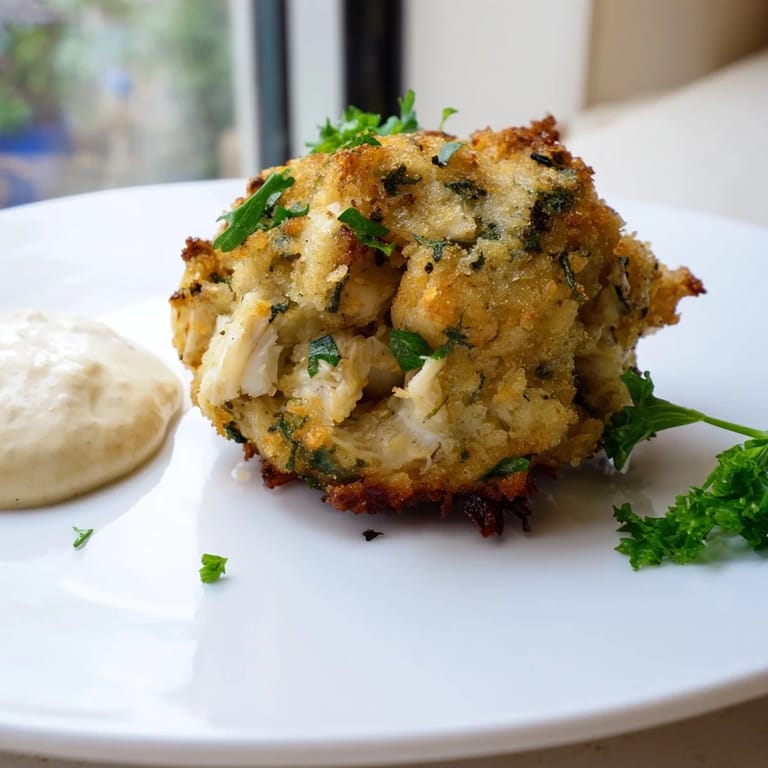
Crab cakes taste best served warm, alongside something cool and crisp. A simple green salad dressed with vinaigrette, a heap of coleslaw, or just buttered toast all work beautifully. Drinks-wise, a chilled Sauvignon Blanc or dry Riesling complements the richness without overwhelming the delicate crab flavor. If it's summer, a cold beer never goes amiss either.
- Leftover crab cakes can be refrigerated for up to two days and reheated gently in a warm oven, though they're best eaten the day they're made.
- If you want extra crunch, roll the formed patties lightly in a little extra panko before chilling and frying.
- The sauce keeps for three days in the fridge and tastes even better the next day as the flavors meld.
 Pin It
 These crab cakes have taught me that the best food doesn't shout about itself. It just sits on a plate, warm and golden, and lets you decide if it matters. Every time I make them, someone tells me they're the best they've ever had, and I'm not sure if that's because of the recipe or because I'm paying attention.
Recipe FAQs
- → What type of crab meat works best for these patties?
Fresh lump crab meat is ideal for the best flavor and texture, but good-quality canned crab meat can also be used if shell fragments are removed.
- → How can I achieve a crispy crust on the patties?
Coating the patties lightly with extra panko breadcrumbs before frying helps produce a crunchier, golden-brown crust.
- → What is the purpose of chilling the patties before cooking?
Refrigerating the patties helps them set firmly, making it easier to handle during frying and preventing them from falling apart.
- → Can I prepare the tangy sauce in advance?
Yes, the sauce can be whisked together ahead of time and refrigerated to help flavors meld, just bring it to room temperature before serving.
- → What oils work best for pan-frying these patties?
A neutral oil with a high smoke point, combined with unsalted butter, delivers great flavor and prevents burning during frying.
- → Are there suggested side dishes to accompany these patties?
A crisp salad or creamy coleslaw pairs well, balancing the rich patties and refreshing the palate.